What really happens?
The Citizens of Science (CoS) program is a collaborative education and mentorship that aims to tear down the barriers between cutting edge research and the public that can benefit from it. (Check out our mission statement to find out more).
The program is made of two parallel pathways:
- The mentees are science-curious members of the general public, who have limited to no formal training in science (i.e. did not study science in depth, such as at university).
- The mentors are up and coming medical science research students (Honours, Masters or PhD level) recruited from the leading institutes in the Parkville area of Melbourne.
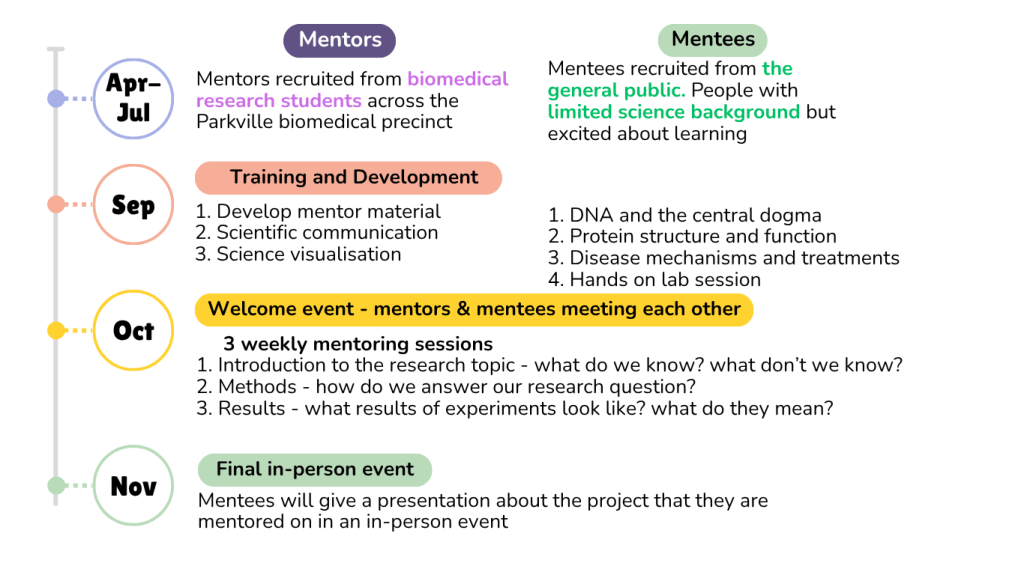
Over a series of flexible interactive sessions, mentees DIVE into the world of research through a mentoring program – by exploring the context, experimental methods and outcomes of research conducted by their mentor. At the same time, mentors develop their communication skills, deepen the understanding of their project and gain new insights through sharing their research with a unique audience.
Both mentees and mentors participate in specialised training, to help them build their skills. (Mentors receive training in science communication, and mentees attend tutorials focused on the basics of medical science. Both groups participate in fun program-wide events, where they can connect with fellow participants.
If this seems like something you would be interested in, keep an eye out for announcements for the COS 2026.
For a full calendar of 2025 program, check out our 2025 program calendar.
I want to know more about being a:
Further Info For Mentees
Who can be a Mentee?
As long as you are over 18 and able to attend in person event in Parkville area you are eligible to join CoS.
CoS is specifically designed to empower people with limited to no previous science education to follow their scientific curiosity, and connect with like minded people.
It doesn’t matter if the last science class you took was in high school, primary school, or if you have never taken any classes. Our program includes a series of tutorials that provide you with the required introduction to medical science, and material developed by mentors is designed to be accessible and easy to understand.
What does the program look like?
Stage 1 : Recruitment and Mentor Choice
Once you have signed up for the program our team will reach out to you and provide further details on the program schedule, and confirm you are the right fit for this program.
You will be invited to our Welcome Event in mid September, where we will go through the program in depths, and you have a chance to meet other mentees. You will also get to meet some of our mentors, find out about them and ask questions about their project.
We will provide a list of projects giving you the chance to nominate the topics you would be most interested in learning about.
Stage 2 : Training Opportunities
Introduction to key concepts in biology
Our introductory course consists of 3 self-paced online modules (minimum 1 hour to complete) that will cover some core concepts of biology (DNA, protein and disease).
Designed by experts in science communication, the course is simple to navigate and requires no prior knowledge.
These modules are supported by optional online tutorial sessions once a week, where our team will walk you through the content with a small group, giving you the chance to ask any questions.
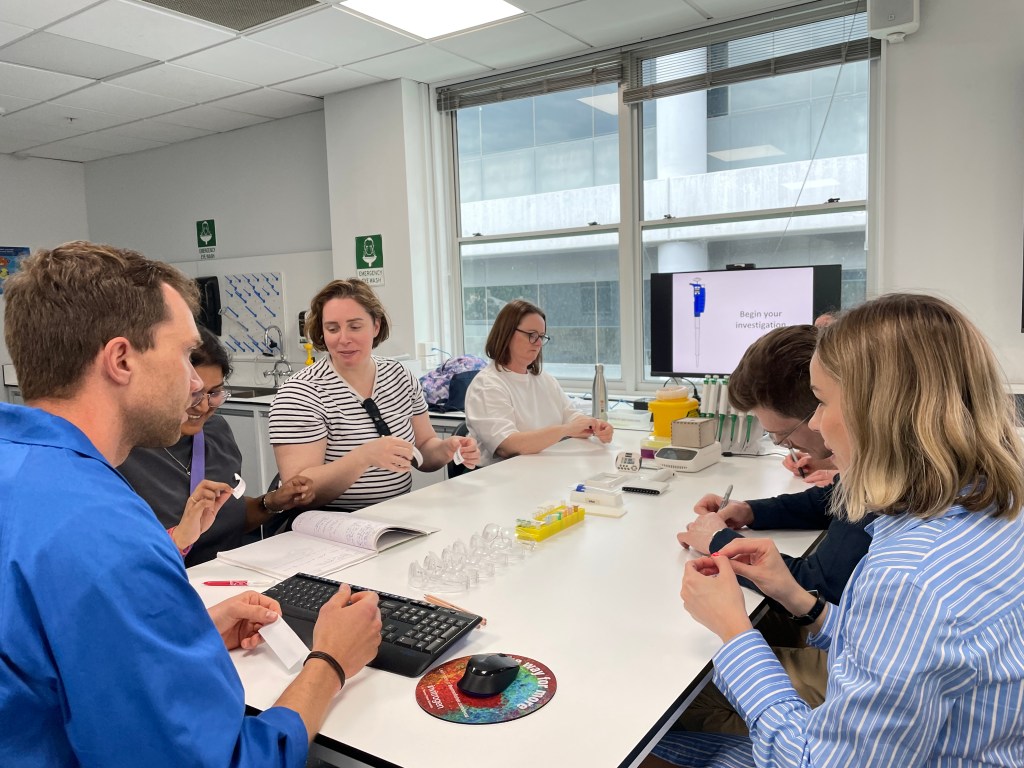
Hands-on lab session
As a mentee you also will have the chance to join a hands-on lab session with our partners at GTAC.
You will get to come into the lab with your fellow mentees, and do your own experiments.
Stage 3 : Mentor Sessions
After you have completed the introductory training program you and up to two other mentees will be paired with one of our student mentors. Over the course of 3 weeks, you will meet for around 1.5 hours online or in person with your mentor and learn about the research they work on, how they do it and why.
The flexible interactive format allows mentors and mentees to collaborate and adapt the sessions to ensure they are enjoyable, and understandable.
Stage 4: Final Event
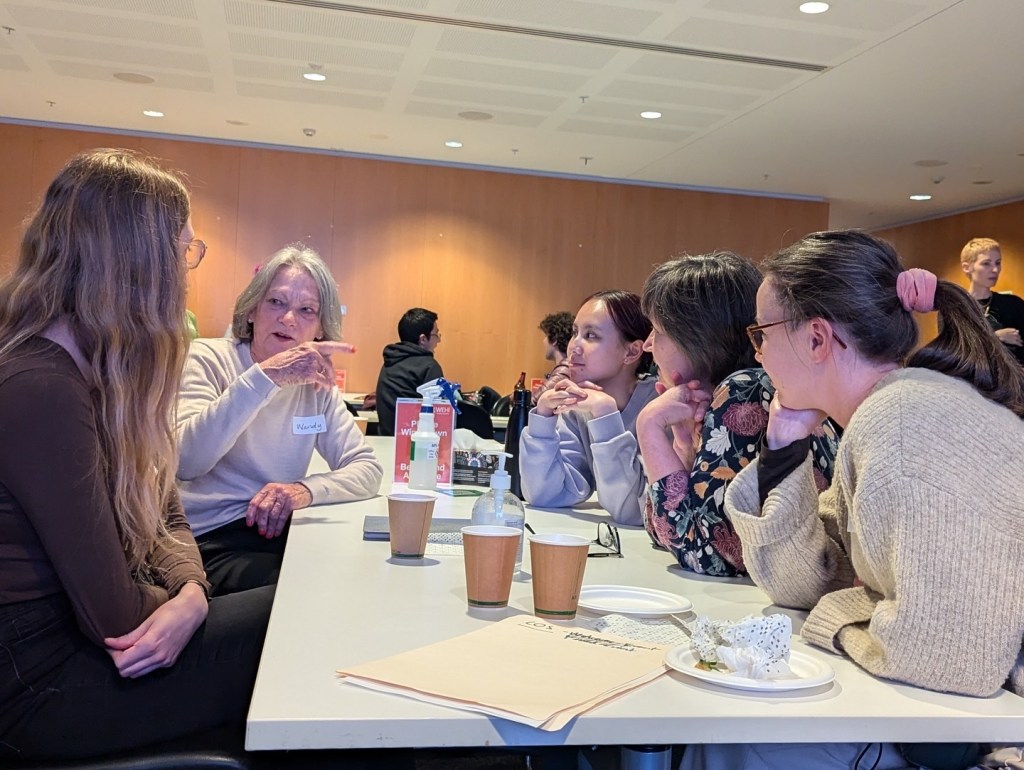
At the final event, we will bring all mentees, mentors and some special guests come together to celebrate the achievement of completing the program and to share what they have learned.
With the support of your mentor, you will have the chance to share the research that you have been learning about with small groups of other mentees and mentors.
This session is designed to be a fun, low-pressure and interactive way to put what you have learned to use through sharing your learning with other participants in an informal setting. It also will hopefully continue to inspire you, hearing about other projects that have been discussed in the program, and connecting with fellow science curious individuals.
What is the benefit of participating?
As a mentee:
- You have the chance to learn about the cutting edge of medical science in a fun, challenging and supportive environment.
- You can get hands-on with our laboratory science session.
- You can connect with fellow science-curious members of the public through our events.
- You have the opportunity to shape the future of research, by engaging with the next generation of leading researchers.
Want to know more?
Further Info for Mentors
Who can be a Mentor?
Currently CoS is open to any medical science research students (Honours, Masters or PhD student) based at institutes within the Parkville Precinct. If you are unsure if you would be eligible check out our FAQs, or Contact Us for more information.
What does the program look like?
Stage 1 : Recruitment
Once you have signed up you will be invited to attend an online mentor information session. Where we will go through the program structure, meet some of our team, hear from past participants, and have a chance to ask questions.
After you have attended the mentor information session, we will reach out to confirm if your participation in the program.
Stage 2 : Training and Material Development
Over the next two months you will plan and develop your mentor sessions with the help of workshops and science communication tutorials.
Mentor skill and Material Development
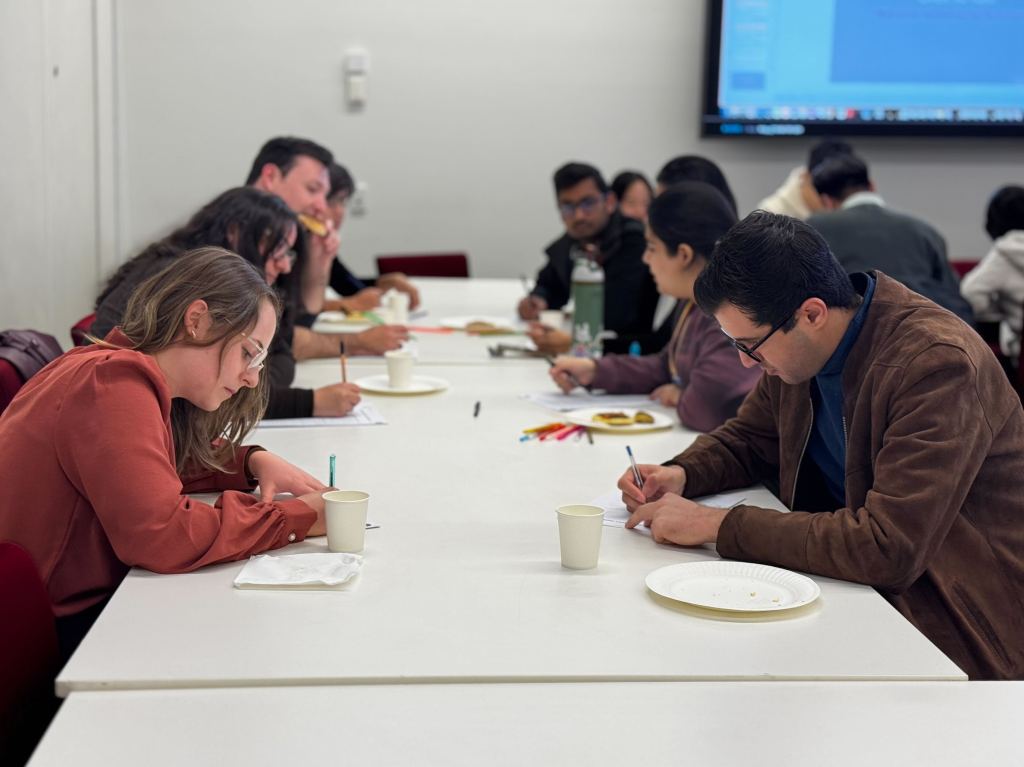
Over two two-hour workshops you will develop, pitch and refine your mentor sessions plan and associated material with the help of our CoS team.
Science Communication tutorials
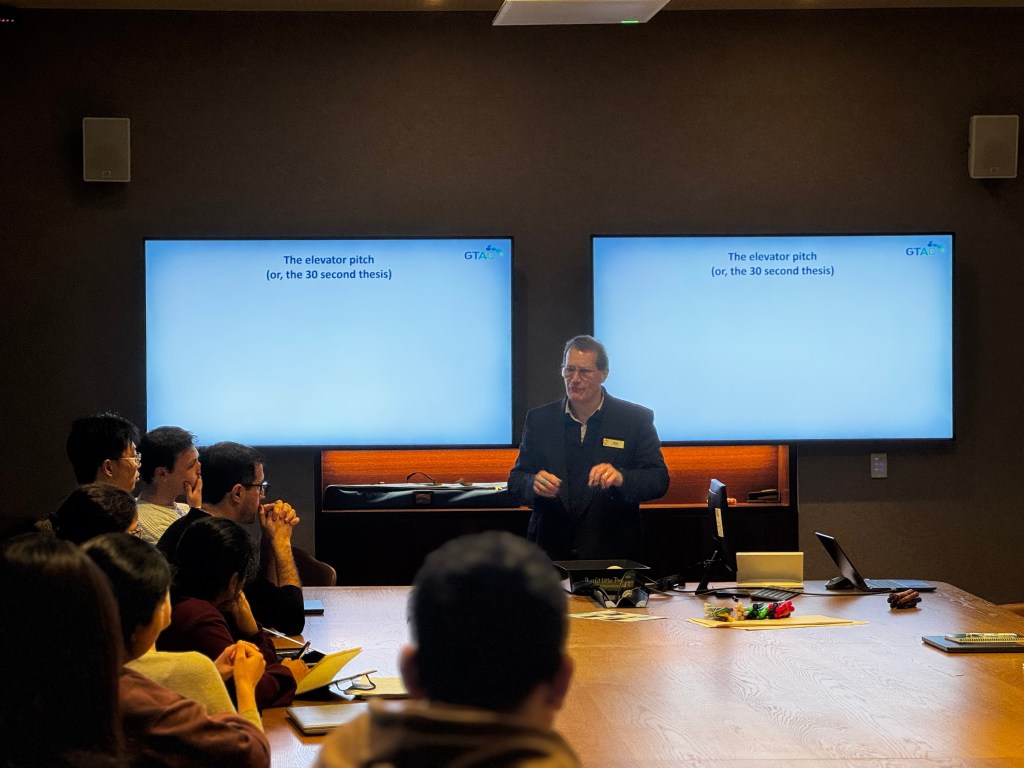
As a mentor you have the chance to join two specifically tailored tutorials to help you build your mentor sessions, and skills as a science communicator.
The first is a specially designed session hosted by science communication experts from GTAC. In this session you will work on translating research for the general public using your own research.
The second is a science visualisation session, where you can get insight into the graphic design principles and gain new techniques to represent your research.
Stage 3 : Mentor Sessions
After you have completed the introductory training program you will be paired with one to three mentees who com from various backgrounds and levels of scientific knowledge.
Over the course of 3 weeks, you will meet for around 1.5 hours online or in person with your mentees. Using the training material you have developed over the course of the program, you will introduce them to your research topic exploring the background, and methods and results from one experiment.
The flexible interactive format allows mentors and mentees to collaborate and adapt the sessions to ensure they are enjoyable and understandable.
Stage 4: Final Event
At the final event, we will bring all mentees, mentors and some special guests come together to celebrate the achievement of completing the program and to share what they have learned.
You will support your mentee, as they present and discuss what they have learned in your sessions with a small groups of other mentees and mentors.
This session is designed to be a fun, low-pressure and interactive way to put what you have worked on to use through sharing your learning with other participants in an informal setting. It also will hopefully continue to inspire you, hearing about other projects that have been discussed in the program, and connecting with fellow research students from around Parkville.
What is the benefit of CoS?
As a mentor:
- You will participate in trainings and workshops to develop your science communication skills using your own research. Including visual communication workshops.
- You can refine your understanding of your research through developing digestable training materials for your mentors.
- You have a chance to implement your science communication skills through mentoring a member of the public.
- You can network with fellow research students from around the Parkville precinct.
- You get to be a part of a program with a mission, acting as a public-conscious scientist, helping develop medical literacy.
 Citizens of Science